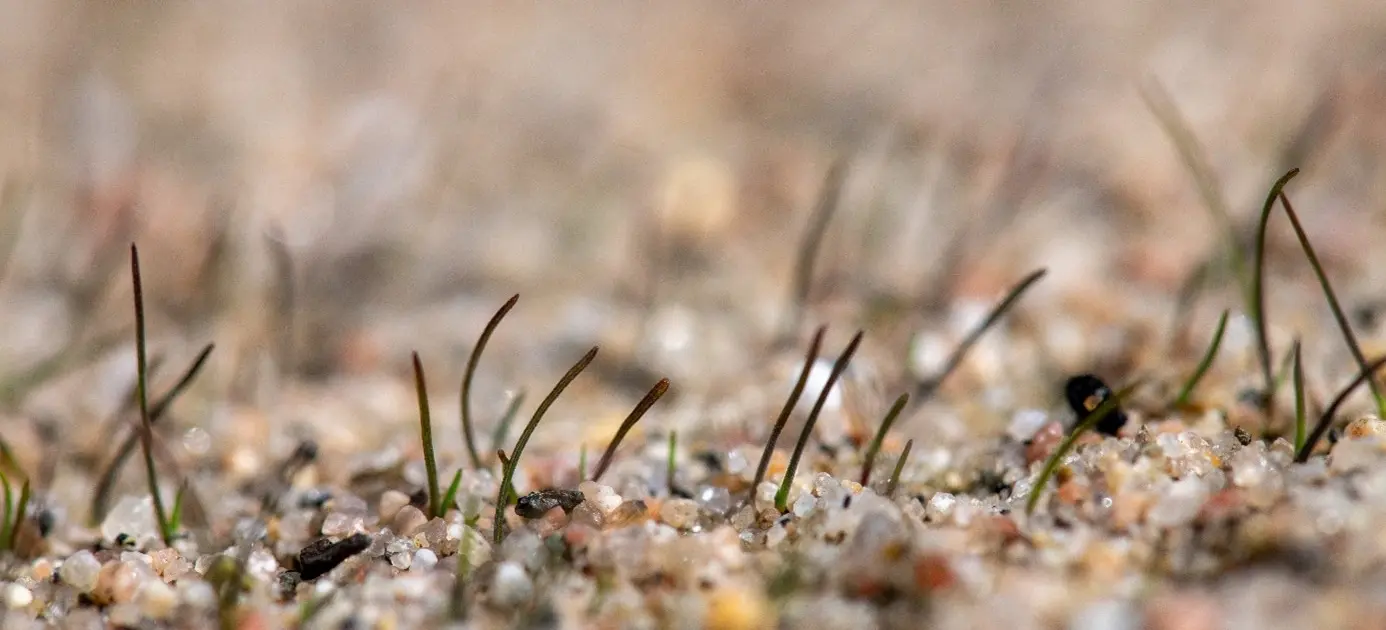
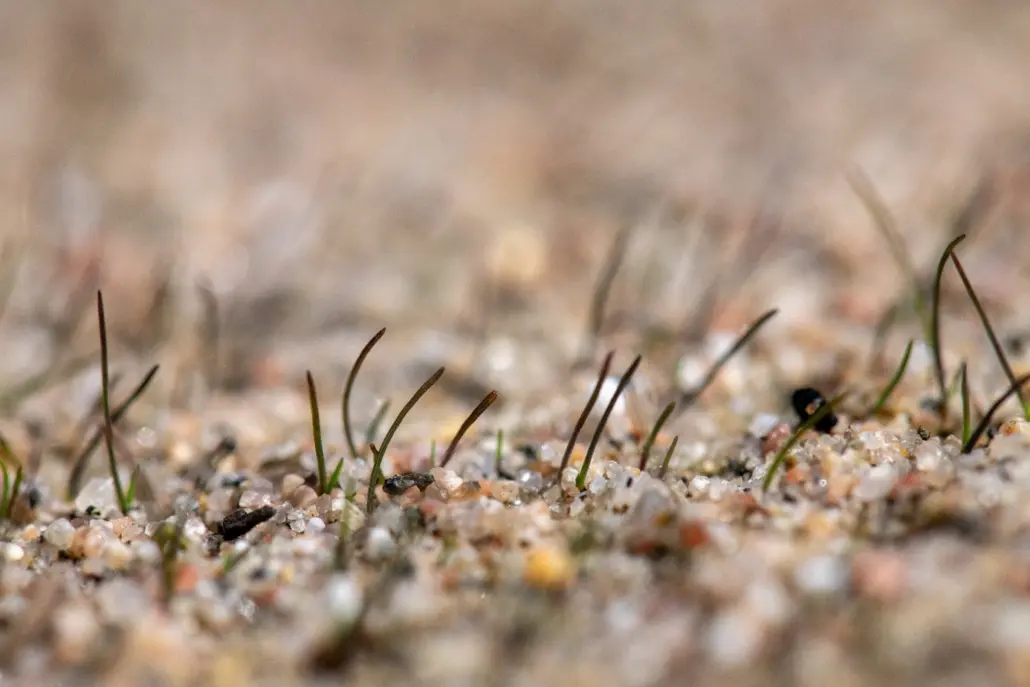
Grass on golf courses in the Nordic area exists under extreme conditions. At latitudes between 56 and 71 degrees north, daylight varies dramatically through the year, majorly impacting the ways in which turfgrass copes with winter and how quickly it recovers in spring. Traditionally, poor grass growth in early spring has been blamed on cold temperatures or a lack of light.
However, new research from the ICE-BREAKER and WINTER TURF projects shows that the problem may actually be the opposite: too much light at the wrong time. When strong light is combined with low temperatures, particularly after ice encasement, the grass can suffer from photoinhibition and oxidative stress.
This weakens the grass’s ability to carry out photosynthesis and makes it less tolerant to freezing and other stresses. Sensitive species such as annual bluegrass and creeping bentgrass, commonly used on golf greens, are particularly affected. The goal of this project is to better understand how excess light damages turfgrass — and how that damage can be prevented.
The work is organised into four main working packages. Experiments in Norway and the United States will study how different light levels and levels of UV radiation affect grass during autumn hardening. The researchers will also test how protective covers and special pigments can help grass recover faster in spring and improve the success of reseeding greens that have been damaged over winter.
Finally, the results from controlled growth chamber experiments and field trials will be tested under real conditions on golf courses in northern Sweden. The aim is to give greenkeepers practical tools to protect turfgrass through winter and achieve healthier, greener playing surfaces earlier in the season.