EXPLORING ALTERNATIVES TO QUARTZ-BASED SANDS IN GOLF COURSE MANAGEMENT

Project start date: 2027
Projects completion date: 2028

Facts

Principal investigator (PI):

Qiyu Zhou, Assistant Professor of Turfgrass Management, 101 Derieux Place, Raleigh, NC 27695-7620, USA
Phone: +1 313-782-2892,
Email: qzhou9@ncsu.edu

Co-applicants:

Michael Bekken and Anne Borchert, NIBIO Landvik, Norway.

Project objectives

1. Assess putting green performance and soil physical and chemical characteristics when substituting quartz-based topdressing sand with dunite sand on a creeping bentgrass putting green under two different N rates at NIBIO Landvik, Norway.
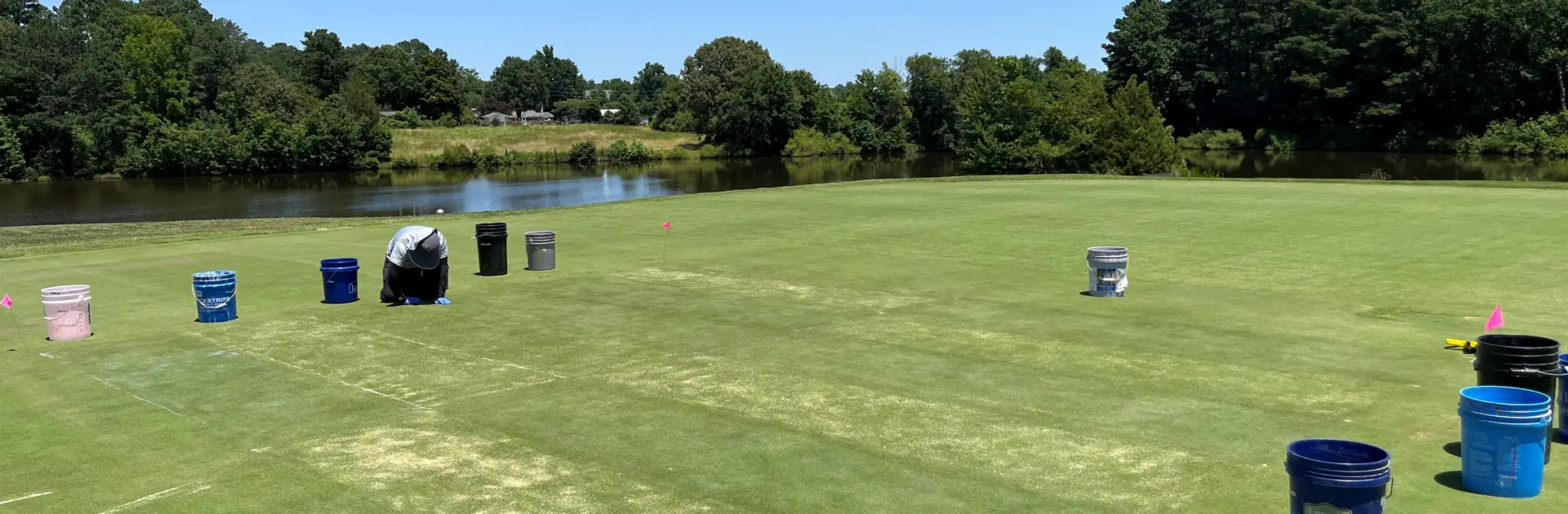
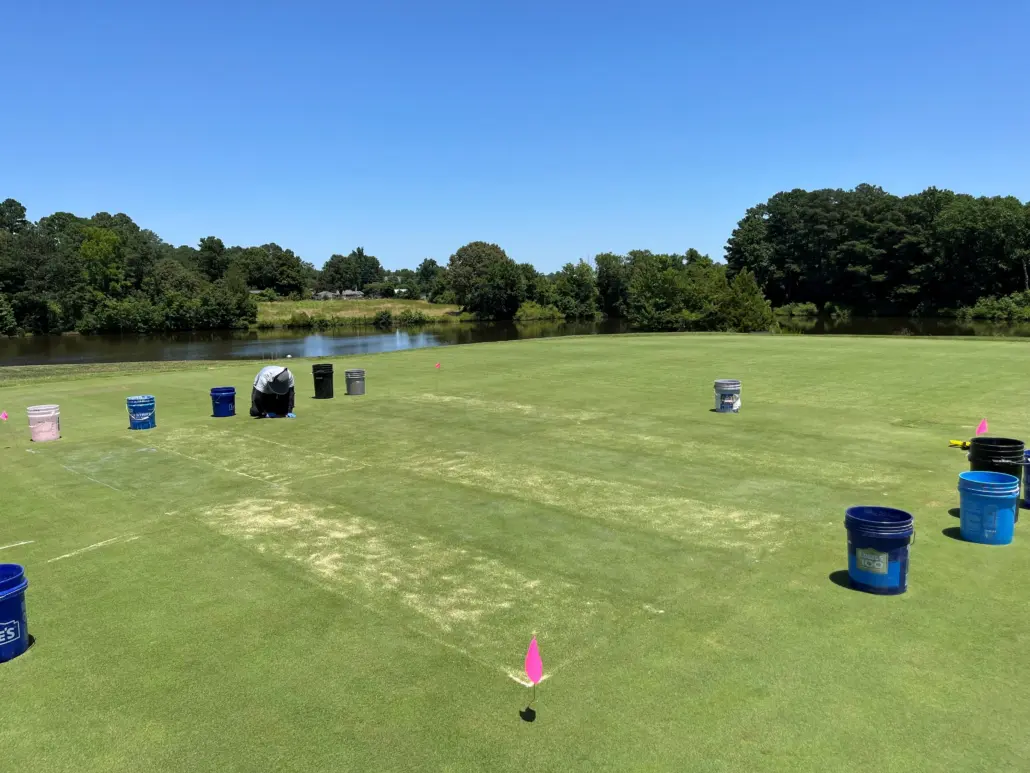
2. Assess putting green performance and soil physical and chemical characteristics when substituting quartz-based topdressing sand with basaltic sand on creeping bentgrass and ultradwarf bermudagrass putting greens at NC State University, North Carolina, USA.
3. Quantify carbon emission reductions from replacing quartz sand with basalt and dunite.
4. Quantify the carbon sequestration rate of basalt and dunite sand at both study locations.

Project summary and status January 2026

Quartz-based topdressing sands are essential for maintaining firm, fast, and smooth putting surfaces on golf courses, yet their finite availability, rising costs, and high carbon footprint from mining present multiple sustainability challenges.
This project that starts in 2027 will investigate basalt and dunite sand as alternative topdressing materials. These alternative sands have numerous advantages, including a darker color (assisting in higher soil temperatures, causing faster spring green up), lower cost, lower carbon footprint of production, and the potential for CO₂ sequestration via enhanced weathering.
A two-year field study in Norway and the USA will compare traditional quartz-based sand to these alternative sands for their effect on turfgrass performance, soil physical and chemical properties, organic matter management, and surface playability. In addition, the overall carbon footprint (including emissions and sequestration) of using conventional vs. alternative sand will be quantified.
Funding, kSEK

20272028Total
STERF5646021166
Orher sources362362724
Total9269641890