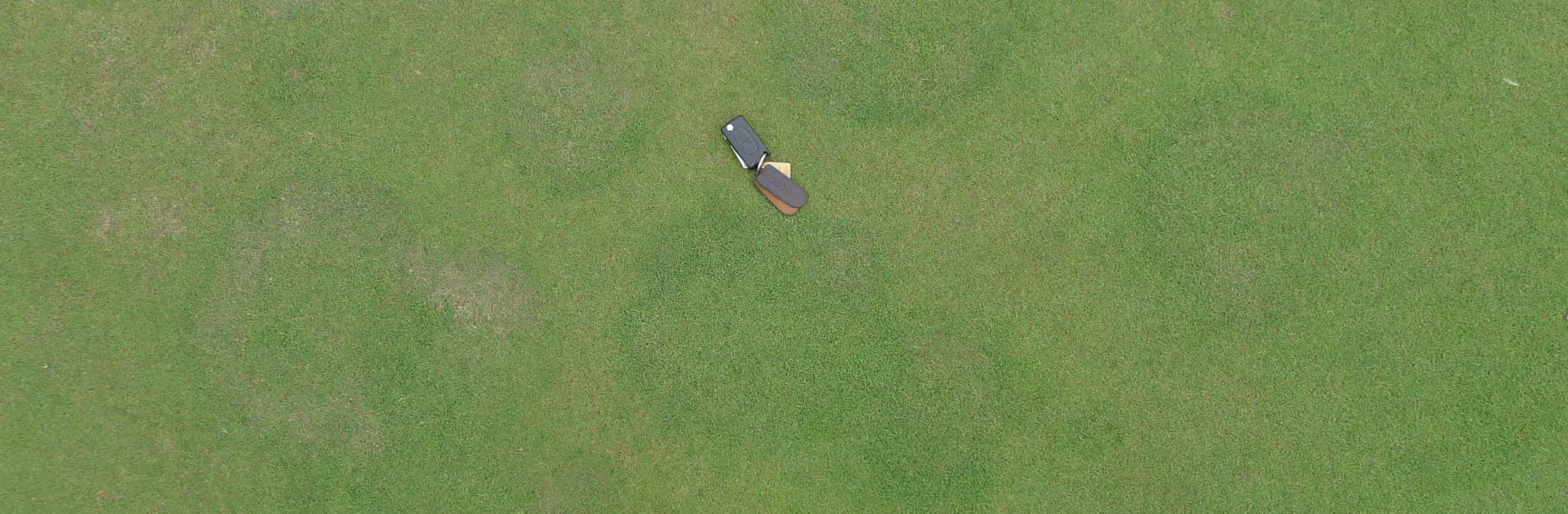
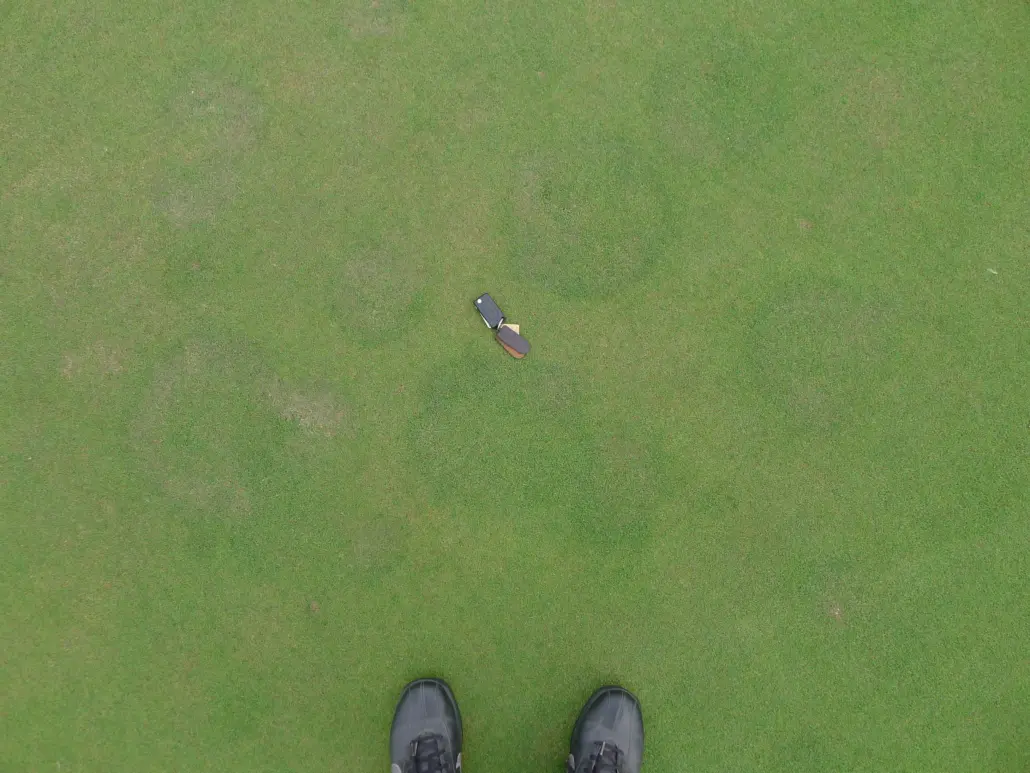
Fairy rings have long been seen as a cosmetic problem on golf courses, but in the past two years we have received several questions relating to fairy ring spots that are reducing playing quality and leading to kill-off of the grass on golf greens. We have also observed another type of patch on golf greens, namely soft, green sunken spots where the thatch is white and decomposed. These sunken spots later turn into dry spots. The fungi causing fairy rings and the white-root fungi causing sunken spots both belong to the same fungal division, Basidiomycota. These fungi are not plant pathogens, since they do not infect the plant, and this group of fungi is not affected by the fungicides that are permitted in Norway. Thus, control measures must be linked to changes in management.
The resurgence in these problems has been attributed to increased use of microbiological products whereby fungi were introduced on golf greens to create greater microbial diversity, but we have no evidence for this. We also do not know exactly which organisms are involved. Therefore, in summer 2017 we intend to chart these problems on two Norwegian golf courses and test measures such as fertilisation, hand-spiking and application of wetting agents. We will then write a short article that can provide insights into these issues based on practical tests and reports from other countries (in practice the United States).