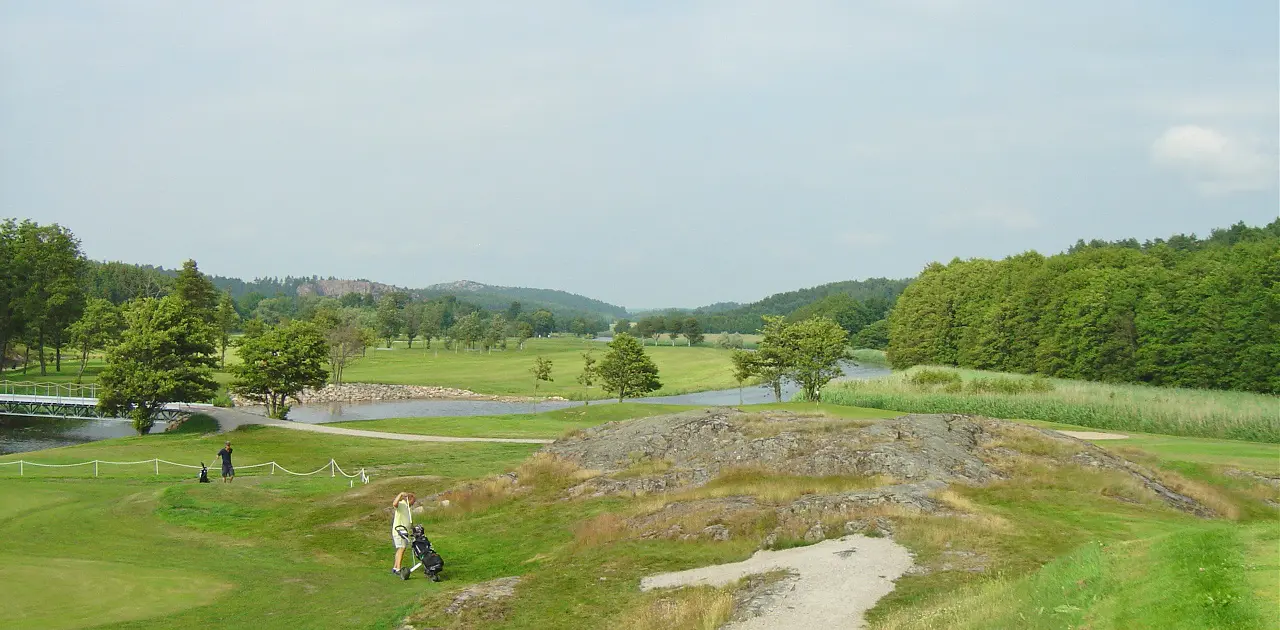
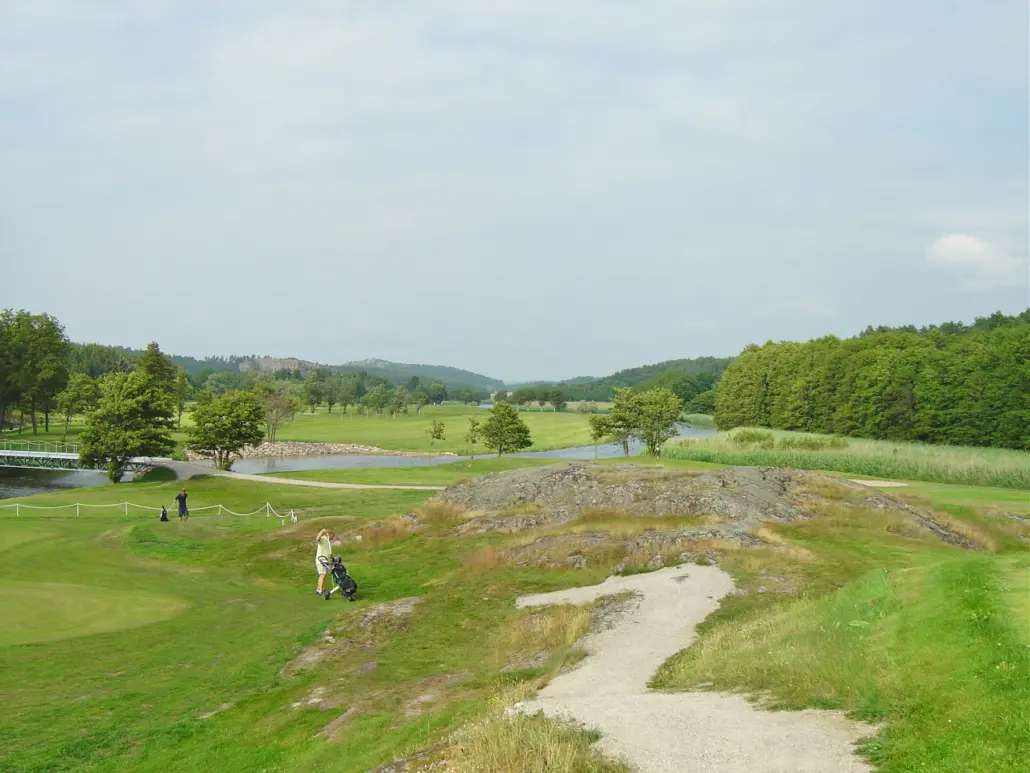
This project developed a tool to map visual changes in the cultural landscape, historic elements and public access on golf courses in the northern countries, including the impact of golf courses on cultural landscapes (visual and maintenance); cultural heritage elements on golf courses (perception and maintenance); and public access on golf courses (physical and sociocultural).
Literature studies and case studies in Scandinavia, Iceland, New Zealand and UK were made in the initial phase of the study, as were planning processes and impact assessments in connection with golf course planning.
To develop the mapping tool, existing methods for evaluating cultural landscape, cultural heritage and public access were used. The tool is intended as a help for golf clubs, greenkeepers, golf course architects and authorities when planning or changing golf courses. The mapping tool has been tried out at 8 golf courses in Norway, Sweden, Denmark and Iceland and worked at all of these.
With the suggested adjustments, it is recommended that the tool be digitalised to a dynamic and simple product that it will be accessible for golf clubs and used to collect data for an overall overview in each country.
The principal investigator will examine the possibility of developing such a dynamic product before 1 April 2013. A final project report was delivered to STERF in December 2012.